


How Para Hills High is strengthening teaching practice
Key Points
-
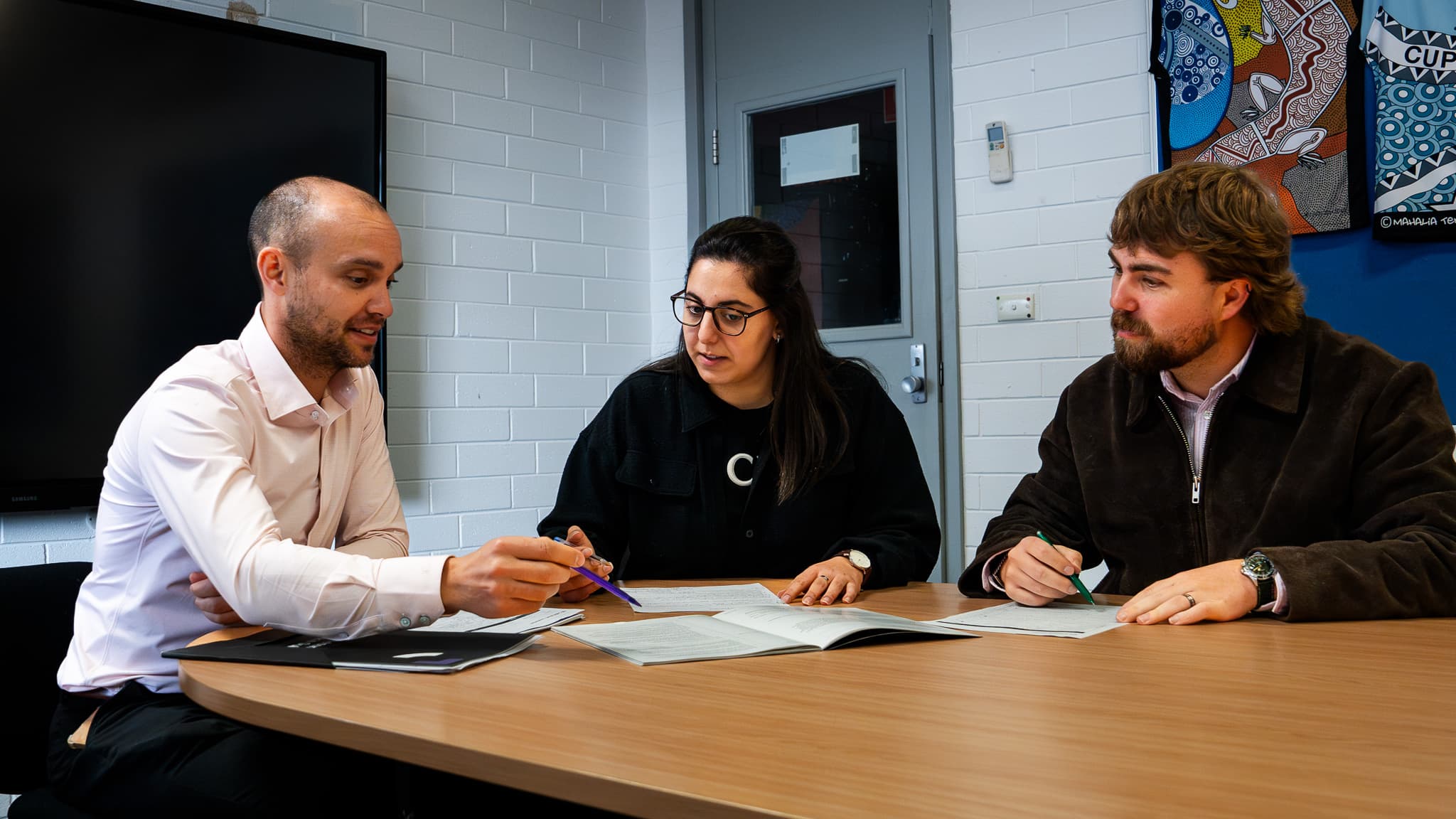
Para Hills High School has built on its culture of open classrooms by using QTR to give teachers a structured, evidenced-informed way to observe, reflect on and strengthen their practice together.
-
To overcome staffing challenges, the school adapted the QTR process to fit its timetable, ensuring teachers could continue participating without relying on relief teachers.
-
Teachers say QTR has broadened their perspectives, helping them learn from colleagues across subject areas while building confidence through supportive, non-judgemental professional conversations.
-
QTR is being embedded in the school’s professional learning, strengthening induction, collaboration and a shared commitment to improving student outcomes.
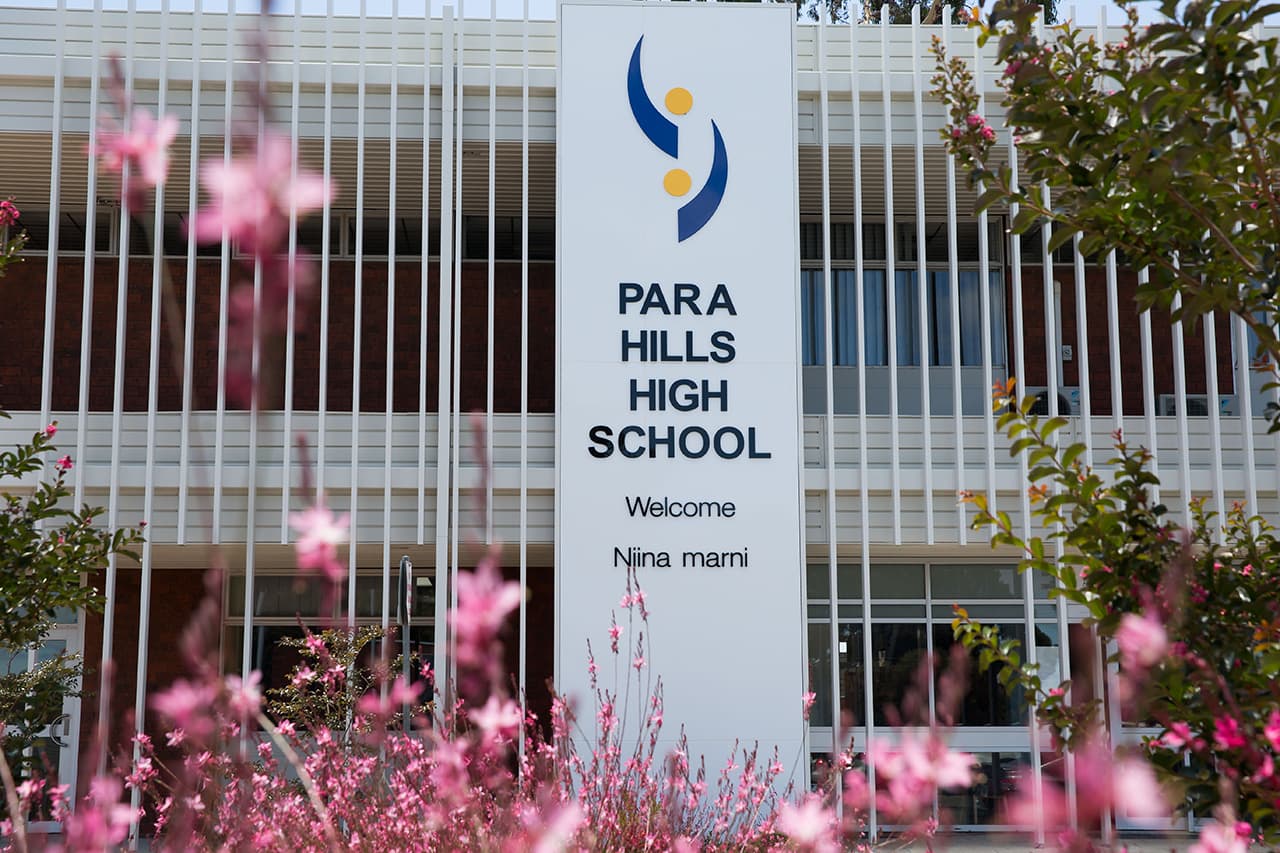
Para Hills High School in northern Adelaide has always placed a strong emphasis on opening classroom doors.
Former principal, Alina Page implemented leadership walkthroughs and encouraged informal observations, creating opportunities for teachers and leaders to regularly see teaching and learning in action. Teachers were even offered release time to observe one another’s classrooms. But without a clear structure in place, few took up the opportunity.
That is, until they discovered Quality Teaching Rounds (QTR).
QTR gave the school a way to build the culture it had already started developing, giving teachers the structure, a shared language and dedicated time to reflect on practice together.
“It doesn’t force staff but gives them an opportunity to observe practice within a valuable system where staff can learn from the process”, says Assistant Principal – Teaching, Learning and Innovation, Novi Palmer.
That focus on observation was part of a broader journey at Para Hills High to strengthen teaching practice, with a clear focus on pedagogy at the heart of its professional learning.
Defining what good teaching looks like isn’t always straightforward. For Novi, finding a shared language to guide those conversations became a priority.
“We’ve done a lot of work to improve pedagogy, so we were looking for something that could bring it all together,” Novi says. “The question ‘what is good teaching?’ can be difficult to answer, and for us, we wanted a way we could work with staff and have something to frame it because it could differ from context to context.”
Finding the right approach
That commitment to evidence-informed practice led the school to the Strengthening Induction through Quality Teaching Rounds initiative.
When Alina received an ACEL Award in 2023, she met fellow award recipient Laureate Professor Jenny Gore AM and was introduced to the research underpinning QTR.
“When Alina came across QTR, she did a bit of research and then sent some of us off to have a bit more of a look and landed on the thought that this would be a good model for our school,” Novi says.
So, toward the end of 2024, four Para Hills High teachers attended a face-to-face QTR workshop as part of the Strengthening Induction project. At the same time, Novi completed an online workshop to better understand how other schools were implementing Rounds.
English teacher Grace Cummaudo was one of the teachers who attended the face-to-face workshop.
“I attended as the experienced teacher with three early career teachers, which was a valuable experience,” Grace says. “We spoke a lot about how to do the process and what it would mean for the school.”
Hearing how other schools were approaching implementation also proved valuable for Novi.
“I found that really useful,” he says. “Understanding the context from different sites, listening to how others were thinking about Rounds and how they were embedding them in their schools.”
When they returned from the workshop, the four teachers formed the school’s first professional learning community (PLC). At the same time, Novi established a second PLC with three teachers who hadn’t attended a workshop.
“I wanted to get a good idea of what it would look like for a variety of people, not just the staff who had been to the training,” Novi explains. “Everyone was really open because we knew it was a bit of a trial. We were figuring out what best practice would look like in our context.”
Those early experiences gave the leadership team confidence that the approach had value. The next challenge was scaling it across the school.
“We started thinking about how we deliver this learning to all staff,” Novi says. “The challenge was that it is resource intensive in terms of staffing to keep the program working.”
Adapting QTR to suit the Para Hills context
Para Hills High is a vibrant, multicultural school made up of 670 students, with over half coming from an English as an additional language or dialect (EAL/D) background, and 12% identifying as Aboriginal and Torres Strait Islander. While the school faces some challenges – it’s classified as a Category 2 under the South Australian Department of Education’s Index of Educational Disadvantage – its strengths come from its dedicated staff and their commitment to improving their practice, both for professional growth and for their students’ educational outcomes.
While the staff are committed to professional learning, their biggest challenge to implementing QTR was finding relief teachers to cover classes.
“We had a couple of challenges,” Novi said when talking about kicking off their first set of Rounds. “We had to cancel it twice because we had no relief teachers. We couldn’t call any in, so we had to scrap that session. We realised this is not sustainable because if we were to do this every time, it wouldn’t work”.
So, instead of trying to make their schedule suit QTR, they adjusted QTR to suit their schedule. They figured out that if they shortened the process a little, they could cover classes with their own internal staff rather than bringing in relief teachers.
“We’ve made a couple of amendments, but we’ve stuck to the rigour of the rest of the process,” Novi explains.
One of the main adaptations Para Hills High have made is to condense the QTR process into half a day. They generally start the day with a lesson observation, after which the teachers are given an hour to code.
“From my experience, and talking to other teachers, coding straight after the lesson was really important, because otherwise you forgot the context,” Novi says.
If time allowed, they would then start the coding conversation and continue through a recess or lunch break and into the third lesson of the day. The whole coding process and discussion took around two hours, which was slightly shorter than what is suggested, but worked well with staff scheduling.
In some cases, they found that the periods in the middle of the day had less staff available to cover classes, but more staff available at the end of the day, so they would start the conversation straight after coding, then take a little break where the teachers would go back to class for a couple of hours, and then return to finish the conversation later in the day when more staff were free.
“The group [that did that] said that it was actually not too detrimental to their conversation and that they could pick up where they left off,” Novi shares. “The feedback has been positive talking to staff that it seems to work.”
Learning beyond their own classroom
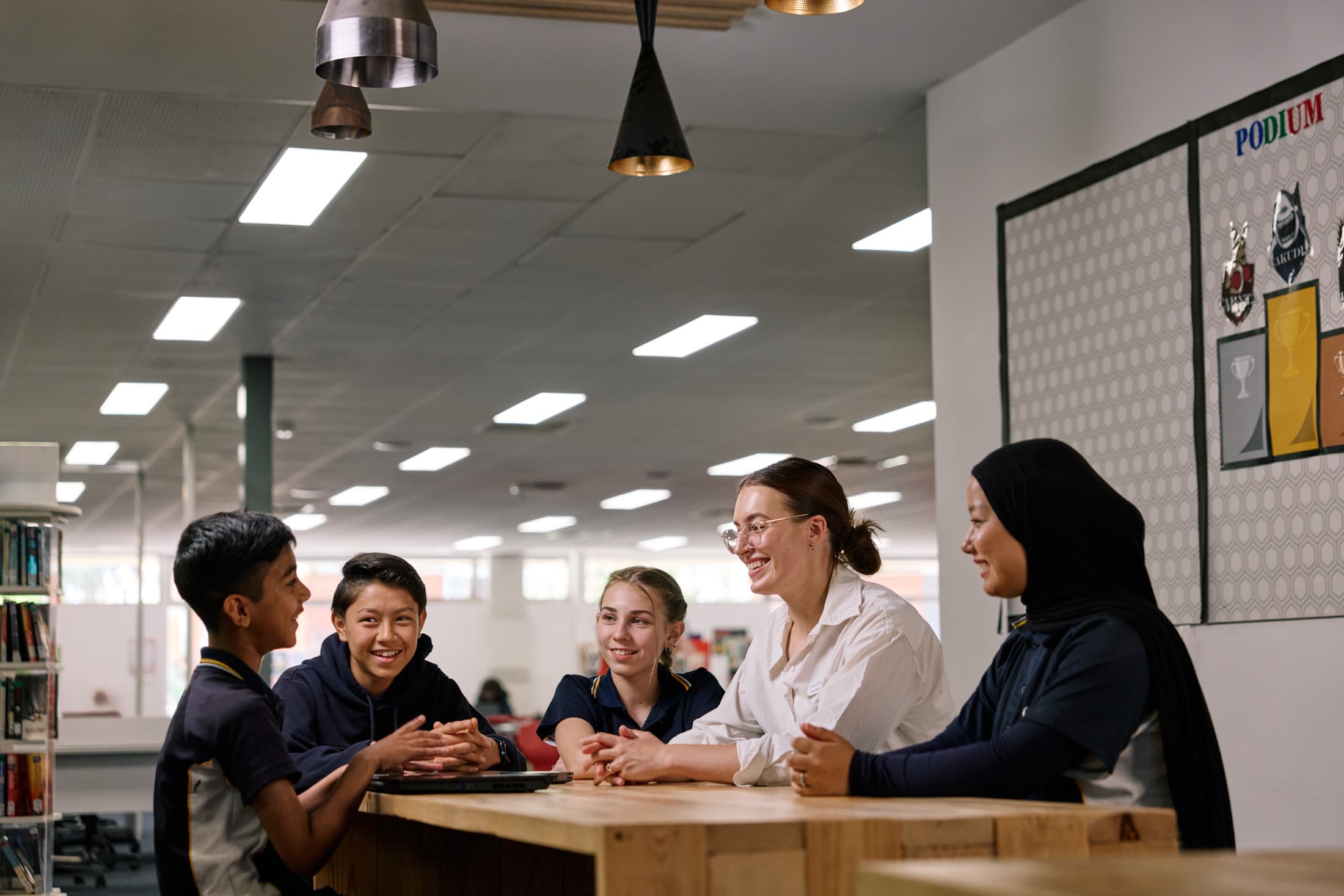
One of the biggest benefits of QTR for Grace has been the opportunity to step outside her own subject area, English.
She completed Rounds alongside a physical education teacher and two science teachers, exposing her to teaching strategies she otherwise may never have experienced. She also had the opportunity to observe one of her own student groups during a science lesson, giving her valuable insight into how students responded in a different learning environment.
“It was good seeing them with a different teacher, in a different context, with different behaviour management strategies on display,” Grace says.
Beyond individual teaching strategies, the experience also gave Grace a great appreciation of learning from the student’s perspective.
“We gained an understanding of what it is to be a student, because you are sitting through an entire lesson that another teacher is giving… in a way, it gave me a student perspective as well as exposing me to different subjects and how they run around the school.”
Whether it’s seeing students through a different lens or borrowing ideas from another learning area, QTR encourages teachers to look beyond their own classroom and reflect on their practice in a new way.
Novi has experienced similar moments of learning through observing colleagues teach. Watching a dance lesson prompted him to rethink how he structured learning in his own classroom, showing how ideas from one subject can be adapted and applied in another.
“There’s been some fantastic benefits for our teachers,” he says. “Being able to have the time to really reflect on practice with three other staff members who provide feedback in your class was valuable. Teachers know that it’s not performance-based, but improvement-focused, where findings stay confidential [to the group].”
Strengthening induction through QTR
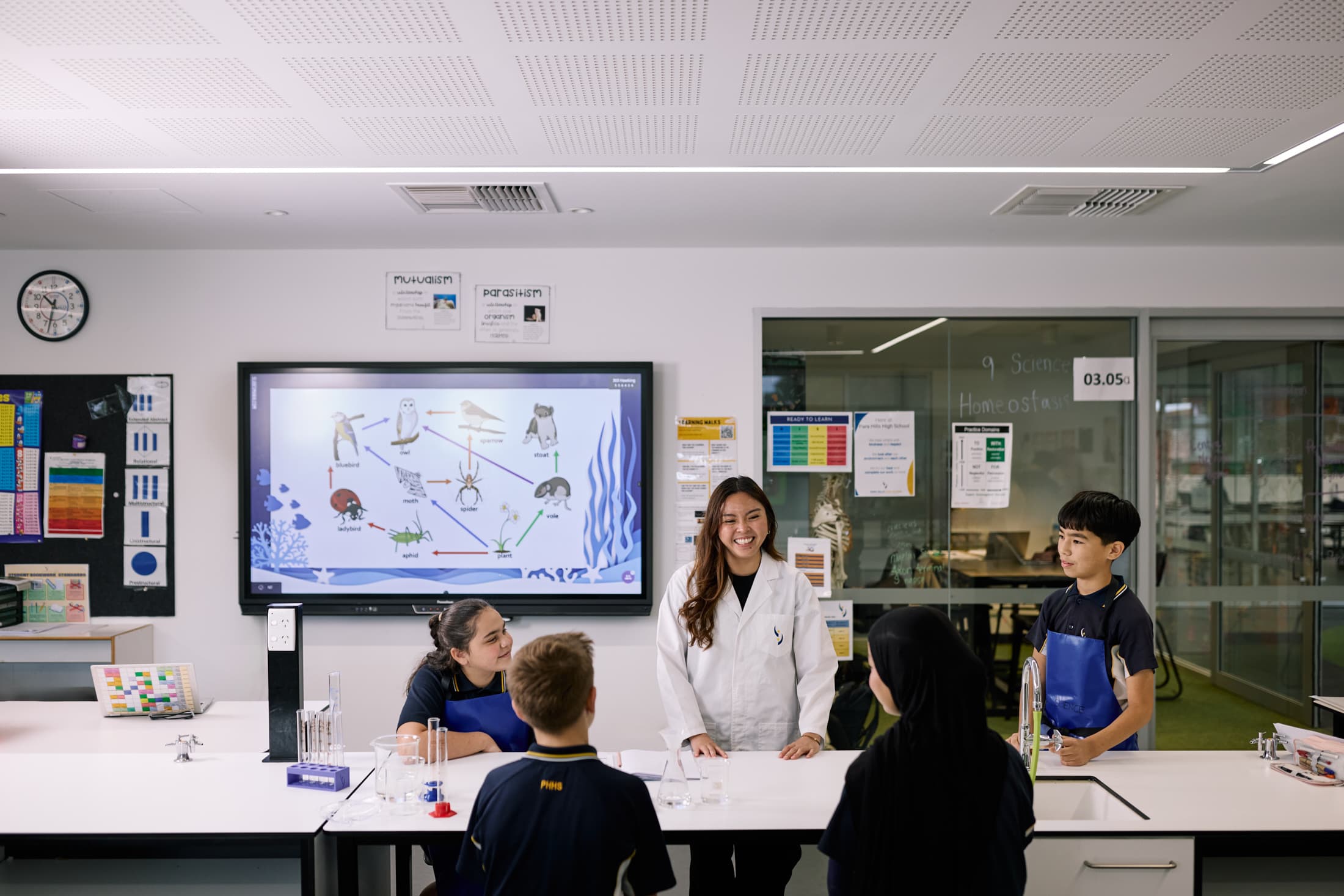
As more teachers completed Rounds, the school began working the program into its approach to inducting new staff.
New teachers are encouraged to familiarise themselves with the QT Model through online resources, including videos and coding exercises, before joining a Round alongside three colleagues who have already participated. The approach gives early career teachers the opportunity to learn from more experienced colleagues while contributing equally to the discussion.
“It’s another way of ensuring that teachers feel like they’re not being judged; they’re just being supported by another teacher,” Grace says. “We’re all learners, and no one knows more than another person because they’re more experienced. It’s an even playing field.”
Grace also says the collaborative nature of QTR has been one of the most valuable aspects of the process.
“When I was an early career teacher, I was so intimidated at the prospect of a leader walking into my room while I was teaching a lesson,” she shares. “So being grouped with someone like that alleviates your nerves. Then getting constructive feedback from them, and observing them teach a lesson, makes you realise you’re picking the right strategies, you’re doing the right things. It’s that reassurance you need when you feel like you’re drowning in your first couple of years of teaching.”
Looking ahead
For Para Hills High, the ultimate measure of success is improved outcomes for students. The school sees QTR as an investment in teacher practice and professional learning that will help achieve that over time.
“Ideally, we want to see a shift in academic outcomes,” says Novi. “But we know that shift comes with teacher practice, professional learning, and having a professional learning community that can improve and grow, resulting in academic outcomes.”
With all permanent teachers now having participated in QTR, the school is looking at how it can continue the professional conversations between formal Rounds. They are exploring ways for teachers to come together to reflect on practice, share ideas and build on the momentum created through the process, rather than waiting for the next Round.
The long-term goal is to ensure every teacher has regular opportunities to participate, while continuing to strengthen the culture of open classrooms and collaborative professional learning that has become central to the school’s approach to teaching and learning.
“Our new principal, Matthew Zviedrans, is committed to continuing QTR, as it is valuable for staff to continually talk about and reflect on their practice in a structured way,” says Novi.
At Para Hills High, QTR is more than a professional learning program. It’s now part of how the school supports teachers to learn from one another, continually refine their practice, and ultimately, improve outcomes for every student.
Want to start Quality Teaching Rounds in your school?
Join the Strengthening Induction through QTR project and access free professional development workshops, expert guidance, and a proven framework for success. Click here to learn more and sign up.
